All Biodiversity Climate Change Conservation Sustainability Tech News Green Energy Environmental Impact and Toxicology Community
Menu
search
Operational Retrospective · 2025

Poultry operations that proved the model.

We ran two operational cycles in Akure to validate our climate-smart poultry protocols. 100% survival rate in Phase 1. Critical economic learnings in Phase 2. Full transparency on what worked and what didn't.

100% Phase 1 Survival Rate
Feb–Jul Operational Duration
2 Cycles Completed Batches
0 Hormones Used
Building in Public

Testing sustainable practices in real conditions.

The objective wasn't indefinite farming. It was to prove we could master bio-security protocols in high-risk zones, maintain animal welfare without hormones, and validate that sustainable poultry farming works at operational scale.

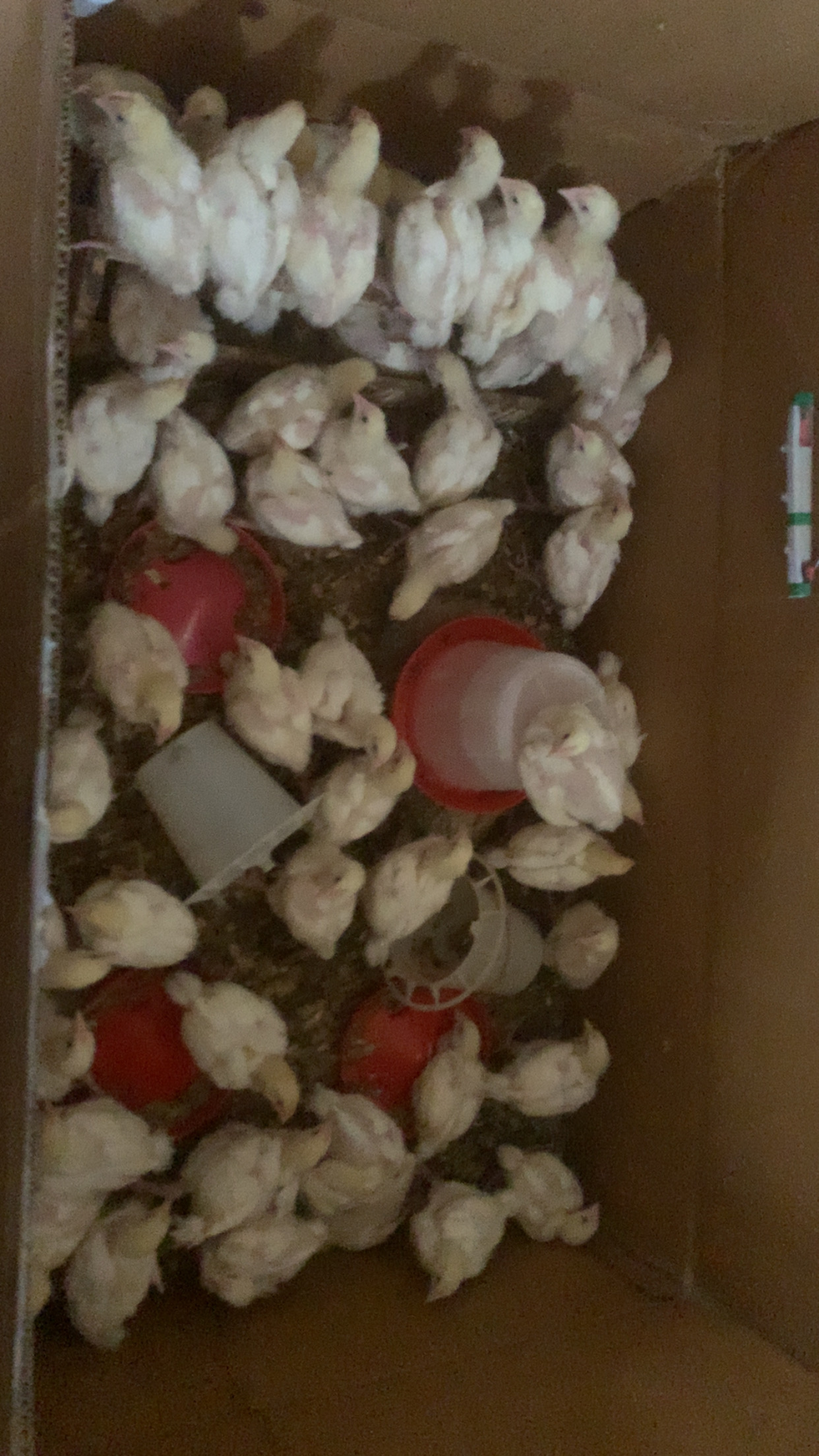
We ran two distinct batches in Akure between February and July 2025. We documented everything: survival rates, feed conversion, cost structures, protocol adherence, and the economic reality of small-scale sustainable poultry in volatile markets.

Phase 1 was a definitive success. Phase 2 taught us what we needed to know about scale and pricing. Both cycles generated the learnings we're now building into farmer training content and our next operational phase.

"Every cycle was a controlled experiment. We didn't fail — we learned exactly what we needed to know."

EcoVibes Operational Principle
Phase 1 Success
100%

Survival rate — proof our bio-security protocols work

Critical Learning
172%

Feed cost vs revenue — scale or price optimization needed

Sustainable Practices
Zero

Growth hormones used — environmental integrity maintained

Operational Cycles

Two batches. Full documentation.

01

Akure Pilot — Phase 1

Feb – April 2025 100% Survival Rate Protocol Validation
Expand arrow_forward

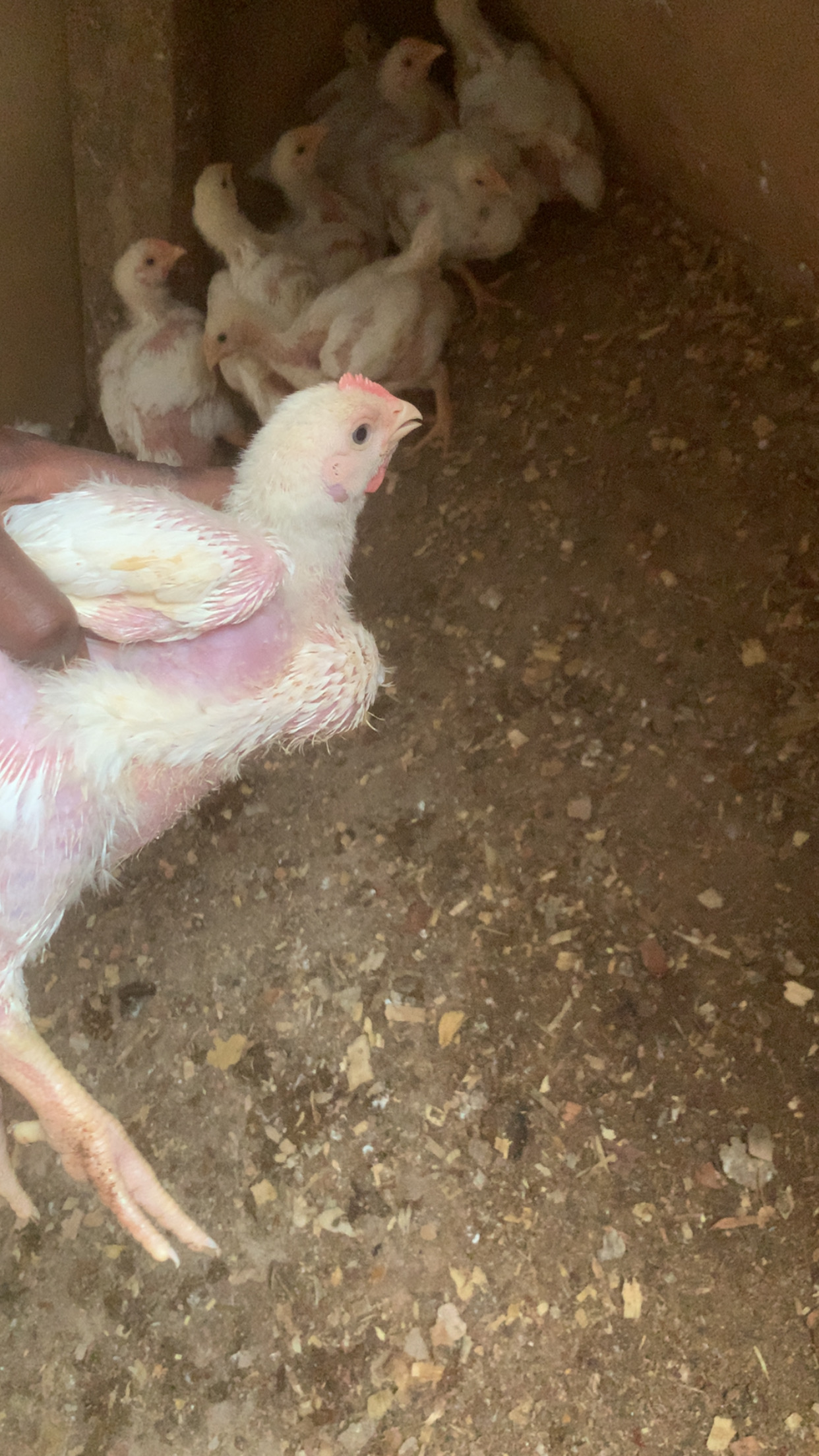
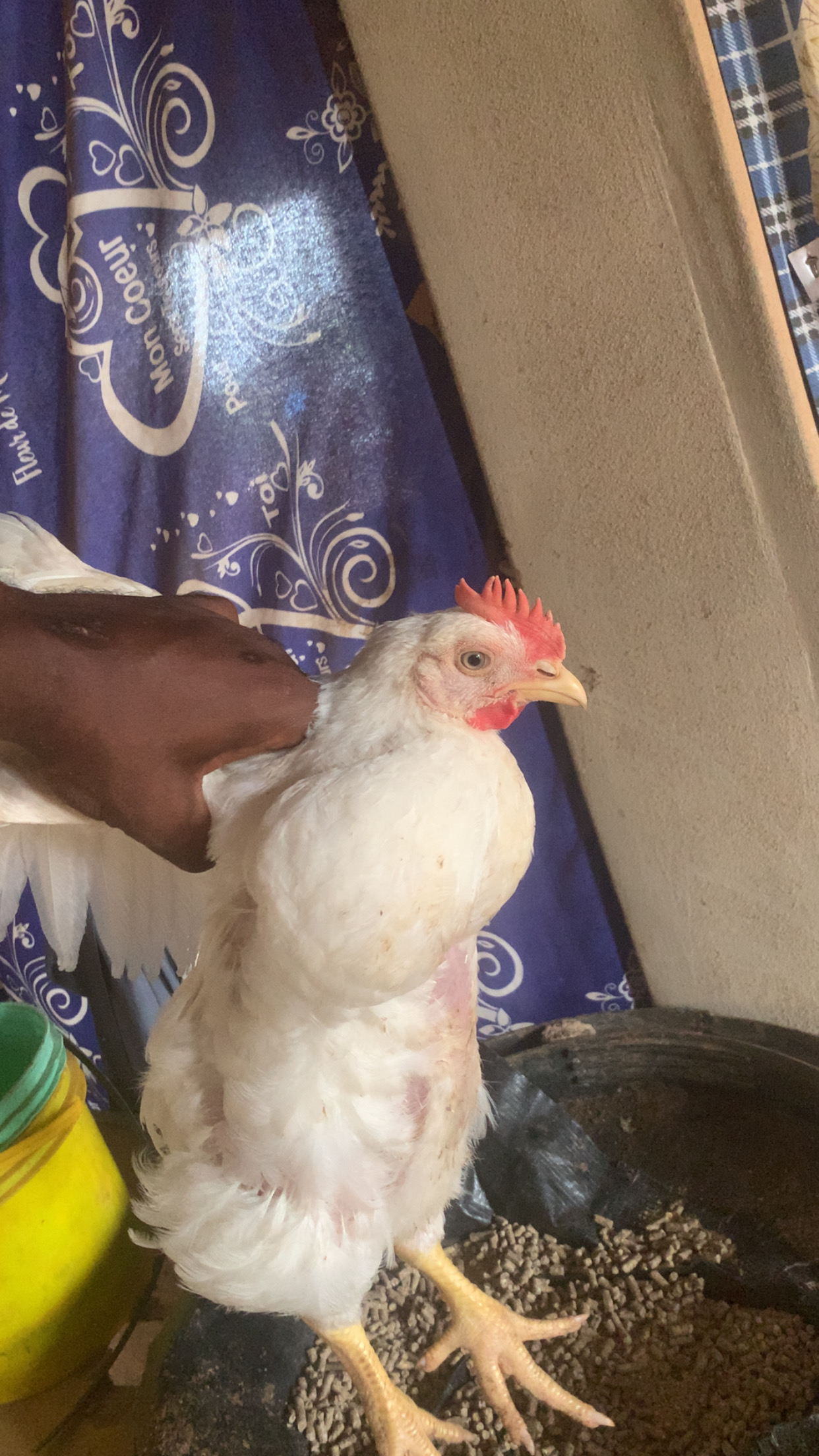
The definitive proof. Our Akure pilot achieved a 100% survival rate across the entire batch. Zero growth hormones. Minimal antibiotics used only when medically necessary. Rigorous bio-security protocols followed to the letter.

What We Did

We implemented strict bio-security measures: controlled access, regular disinfection, temperature monitoring, feed quality control, and daily health checks. Every bird was monitored. Every protocol was documented.

What We Proved

Sustainable poultry farming — without hormones, with minimal intervention, with environmental protocols — can achieve commercial-grade survival rates when executed properly. This was the validation we needed.

Economic Reality

While the survival rate was perfect, we learned that feed costs in this market environment require either higher selling prices or greater scale to achieve profitability. This insight shaped Phase 2 planning.

Survival Rate
100%
Zero mortality across batch
Protocol Adherence
100%
Bio-security maintained
Hormone Use
0%
Sustainable practices validated

Operational Documentation

02

Akure Pilot — Phase 2

May – July 2025 Economic Learning Cycle Feed Cost Analysis
Expand arrow_forward

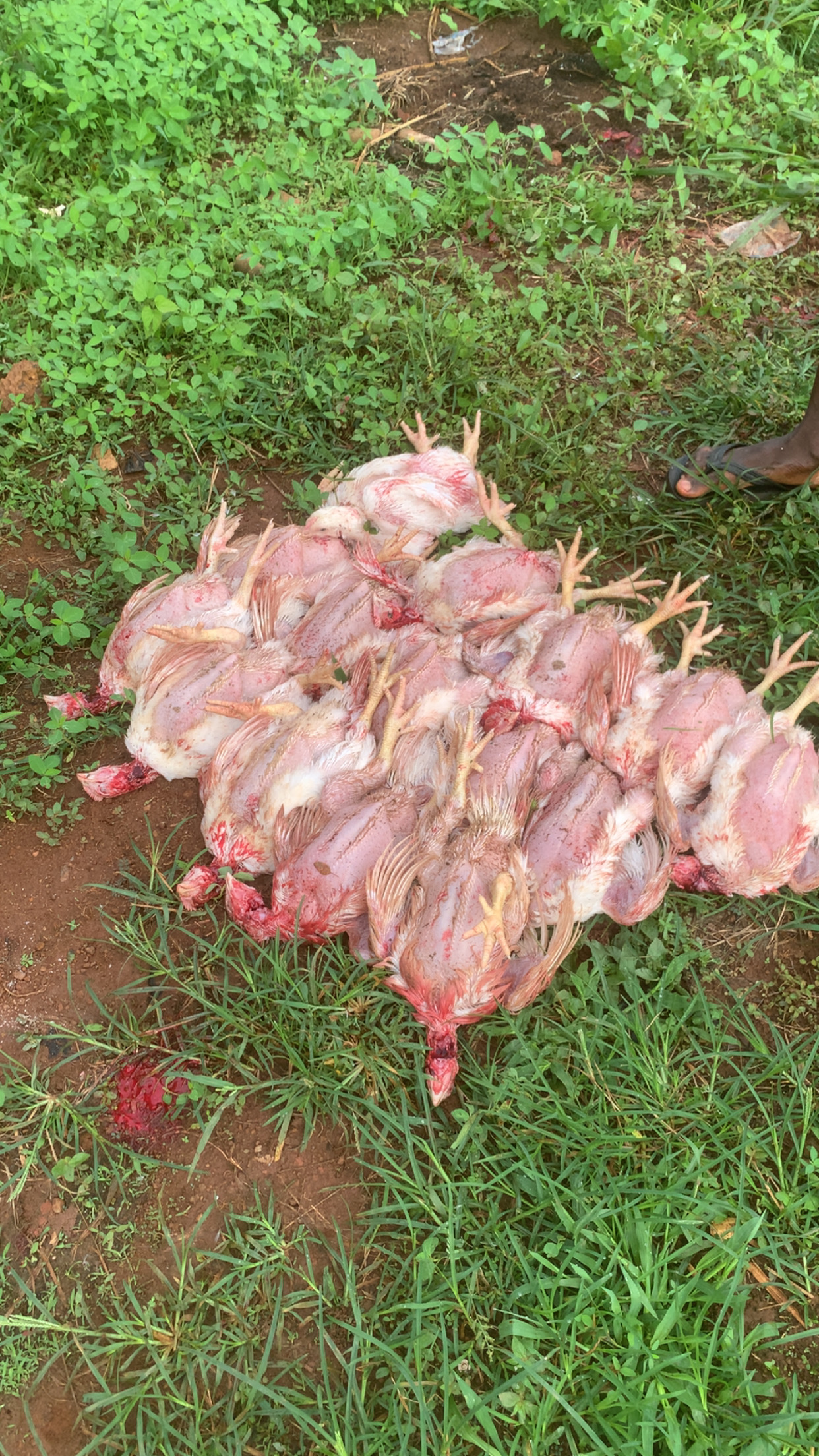
Phase 2 maintained excellent survival rates but revealed the economic constraints of small-scale operations in a high-inflation feed environment. Feed costs consumed 172% of revenue at current pricing and scale.

What We Learned

While we can keep birds alive perfectly using sustainable protocols, the economic model requires one of three interventions:

  • Scale up to reduce per-unit feed costs through bulk purchasing
  • Optimize pricing to reflect premium sustainable product positioning
  • Wait for stabilization in feed markets before the next commercial cycle

The Strategic Decision

Rather than continue operations at a loss, we chose to pause, document the learnings, and use this data to inform our next phase. This is exactly the kind of disciplined decision-making that differentiates sustainable businesses from failed experiments.

Feed Cost Reality
172%
Costs vs revenue at current scale
Strategic Response
Pause
Document, learn, optimize
Data Generated
Full Package
Cost structures now mapped for training
Strategic Insight

We didn't fail. We generated
exactly the data we needed.

These cycles validated our bio-security protocols, proved sustainable practices work at operational scale, and revealed the economic constraints we need to address through pricing, scale, or market timing. This is how you build a real agricultural business — one controlled experiment at a time.