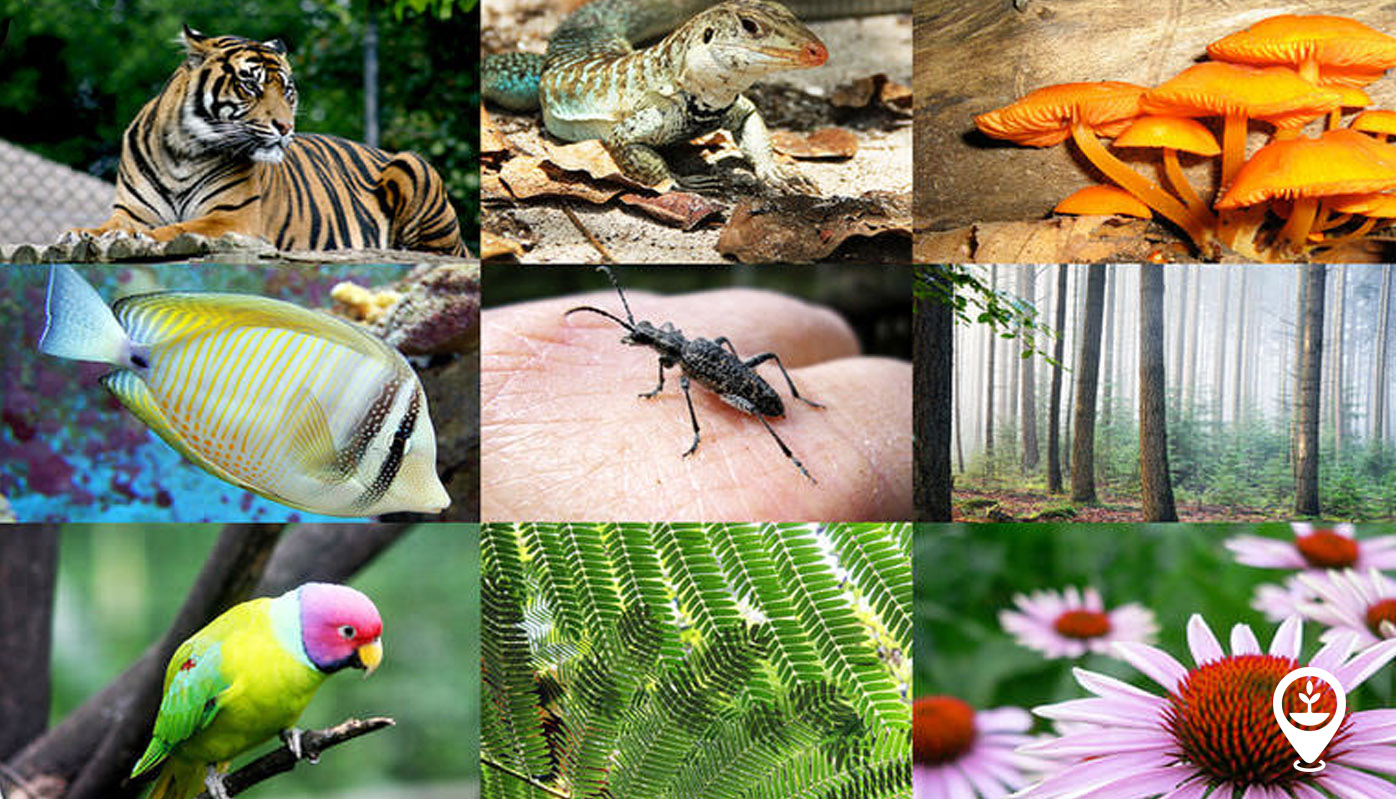
The term 'Biodiversity' refers to the variety of living organisms, including animals, plants, microorganisms, and the ecosystems they form. Understanding the importance of biodiversity helps us realise that every species, no matter how small or rare, plays a vital role in maintaining ecosystem balance and supporting human well‑being. Today, our planet is facing an unprecedented biodiversity crisis. Species are disappearing at alarming rates due to human activities, climate change, habitat destruction, pollution, and overexploitation. Without urgent action, we risk losing the natural systems that sustain life. Biodiversity conservation is no longer an option; it is a necessity for the survival of life on Earth.
The Importance of Biodiversity for Ecosystem Balance
Ecosystem balance depends on the interactions between species within a given environment. Plants produce oxygen and food, animals disperse seeds and control populations, while microorganisms recycle nutrients. When one species disappears, it creates a domino effect that destabilises entire ecosystems. For example, pollinators such as bees, butterflies, and birds are essential for plant reproduction. The decline of pollinator species threatens food crops and wild plants alike. The near extinction of plant species like the African sandalwood (Osyris lanceolata) reduces habitat availability and disrupts soil stability, increasing erosion and land degradation.
Protecting biodiversity ensures that ecosystems remain resilient, productive, and capable of adapting to environmental changes. Species Protection: Preventing Irreversible Loss Species protection is at the core of biodiversity conservation. Many species are currently on the brink of extinction due to poaching, deforestation, illegal wildlife trade, and climate stress. Examples of almost extinct animals include:
The Cross River Gorilla (Nigeria/Cameroon region): Fewer than 300 individuals remain due to habitat loss and hunting. The Northern White Rhinoceros: Functionally extinct, with only two females left alive.
The Pangolin: The most trafficked mammal in the world, hunted for its scales and meat. Plant species are equally threatened.
Trees like Mahogany, Rosewood, and Baobab are heavily exploited for timber and commercial use, pushing them closer to extinction. Once a species is lost, it is gone forever. Species protection helps preserve genetic diversity, maintain ecosystem functions, and safeguard future resources for medicine, agriculture, and climate resilience.
Wildlife Preservation and Human Survival Wildlife preservation is deeply connected to human survival. Healthy ecosystems act as natural buffers against disasters such as floods, droughts, and disease outbreaks. Forests regulate climate, wetlands purify water, and mangroves protect coastal communities from storms. The decline of wildlife can also increase the risk of zoonotic diseases, as disrupted ecosystems allow harmful pathogens to spread more easily between animals and humans. Biodiversity loss weakens nature’s ability to protect us.
Furthermore, many indigenous and rural communities depend directly on wildlife and plant resources for food, medicine, and livelihoods. Losing biodiversity threatens cultural heritage, food security, and economic stability. Why Biodiversity Conservation Matters for the Future
Biodiversity conservation is an investment in our collective future. It supports sustainable development, ensures long‑term food production, enhances climate change mitigation, and maintains the natural beauty of our planet. Protecting biodiversity means: Safeguarding ecosystem balance Ensuring species protection for future generations
Promoting wildlife preservation and ethical coexistence Sustaining human health, economies, and cultures Every individual action, whether supporting conservation efforts, reducing waste, planting native species, or raising awareness, contributes to protecting life on Earth.
Our Shared Responsibility Biodiversity loss is a global issue, but solutions start locally. Governments, communities, organisations, and individuals all have a role to play.
Conservation education, stronger environmental laws, sustainable agriculture, and responsible consumption are critical steps toward protecting our planet’s biological wealth. Every species counts.
Protecting biodiversity means protecting life itself. Share one species you love in your area and why it matters to you!