
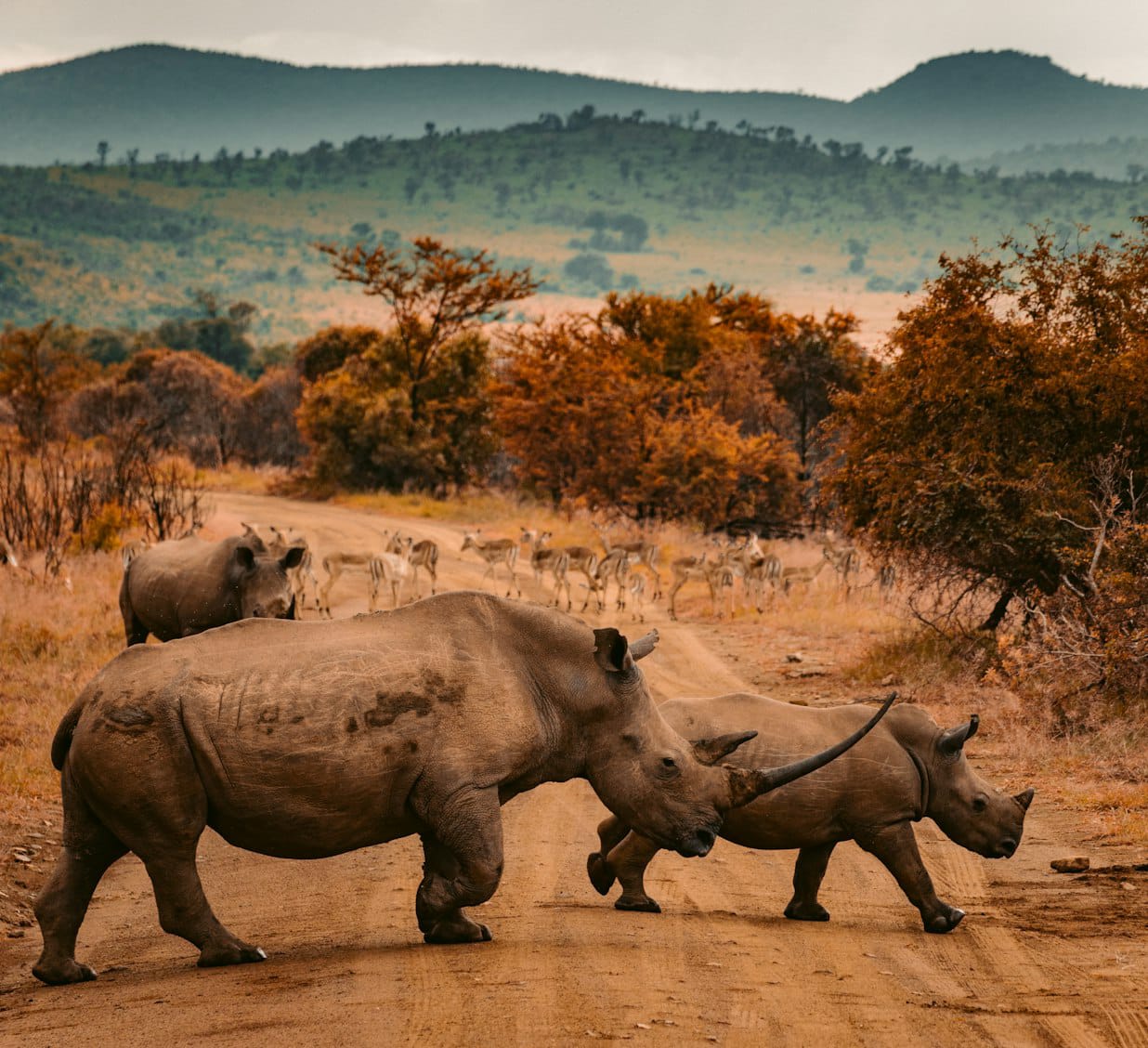
Every year on World Wildlife Day, we celebrate the incredible diversity of life on Earth and reflect on the vital role wild species play in sustaining our planet. From forests and oceans to grasslands and wetlands, wildlife forms the backbone of ecosystems that support human well-being, global food systems, and climate stability.
Wildlife is not just something beautiful to admire; it is essential for the survival of the natural systems we depend on. Here’s why:
1. Wildlife Keeps Ecosystems Balanced
Wild animals help regulate natural processes such as population control, pollination, seed dispersal, and nutrient cycling. Predators keep herbivore populations in check, preventing overgrazing. Scavengers help clean the environment by breaking down organic waste. Insects and birds pollinate one‑third of the world’s food crops, making them indispensable for food security.
Without wildlife, these processes break down, weakening entire ecosystems.
2. Wildlife Supports Healthy Forests and Farmlands
Forests are sustained by animals that distribute seeds and maintain plant diversity. Many tree species rely on birds, bats, and mammals to spread their seeds across long distances. Soil health improves when wildlife such as worms, beetles, and microorganisms continuously break down organic material, enriching farmlands and promoting sustainable agriculture.
Healthy ecosystems mean healthier communities and stronger food systems.
3. Wildlife Protects Our Climate
Animals influence carbon storage and climate regulation. In the ocean, species like whales help stimulate the growth of phytoplankton, which absorb large amounts of carbon dioxide.
On land, large herbivores maintain grasslands that store carbon in deep soil layers. Biodiverse forests are more resilient to climate change and store significantly more carbon than degraded landscapes.
Protecting wildlife is, therefore, a powerful climate action strategy.
4. Wildlife Keeps Water Systems Clean
Wetland species, such as amphibians, fish, and aquatic plants, help filter water, prevent flooding, and maintain water quality.
Stable freshwater ecosystems are crucial for human survival, sanitation, agriculture, and energy production.
5. Wildlife Preserves Genetic Diversity
Every species carries unique genetic information that contributes to resilience. Genetic diversity allows ecosystems to adapt to threats such as diseases, environmental changes, and extreme weather events.
Losing species doesn’t just remove one organism; it removes centuries of evolutionary adaptation.
6. Wildlife Strengthens Culture, Livelihoods & Education
For many communities, wildlife is deeply tied to cultural traditions, Tourism and local income, scientific research, innovation, and environmental education
Protecting wildlife means protecting the cultural and economic well-being of millions of people.
Our Responsibility on World Wildlife Day
World Wildlife Day reminds us that conservation is not just the work of governments; it is a shared responsibility. Small actions matter:
✔ Supporting habitat restoration
✔ Reducing waste and pollution
✔ Practicing sustainable consumption
✔ Educating others about environmental stewardship
✔ Supporting organizations and policies that protect wildlife
Every choice brings us closer to a future where people and nature thrive together.
Wildlife is the heartbeat of our planet.
Protecting it means preserving the air we breathe, the water we drink, the food we eat, and the climate we depend on.
As we celebrate World Wildlife Day, let’s commit to safeguarding our natural world, today and for generations to come.